Professional Development and Courses for Educators
Every child deserves a place to grow.
Matzmichim Workshops for Children and Youth
Reducing Violence in Schools
How do we do it?
Many students face physical, verbal, and social bullying at school (OECD, 2023; UNESCO, 2019), and governments and organizations around the world are seeking effective ways to prevent and address this growing challenge.
Matzmichim, Israel’s leading center of expertise in reducing school violence, specializes in equipping educators with practical tools to effectively address aggression among children and youth while creating growth-oriented group environments.
More than 150,000 educators, parents, and students from all sectors of Israeli society have been trained through our unique methodology.
The Matzmichim Classrooms model is a practical, evidence-based approach that integrates Social-Emotional Learning (SEL), combines academic research with extensive field experience, and delivers measurable results in reducing aggression and improving the social climate in classrooms.
A comprehensive Matzmichim municipal model, tailored to the unique needs of each local authority, providing an integrated response for all community professionals working in violence prevention, safeguarding, and the education of children and youth.
Training for Educators
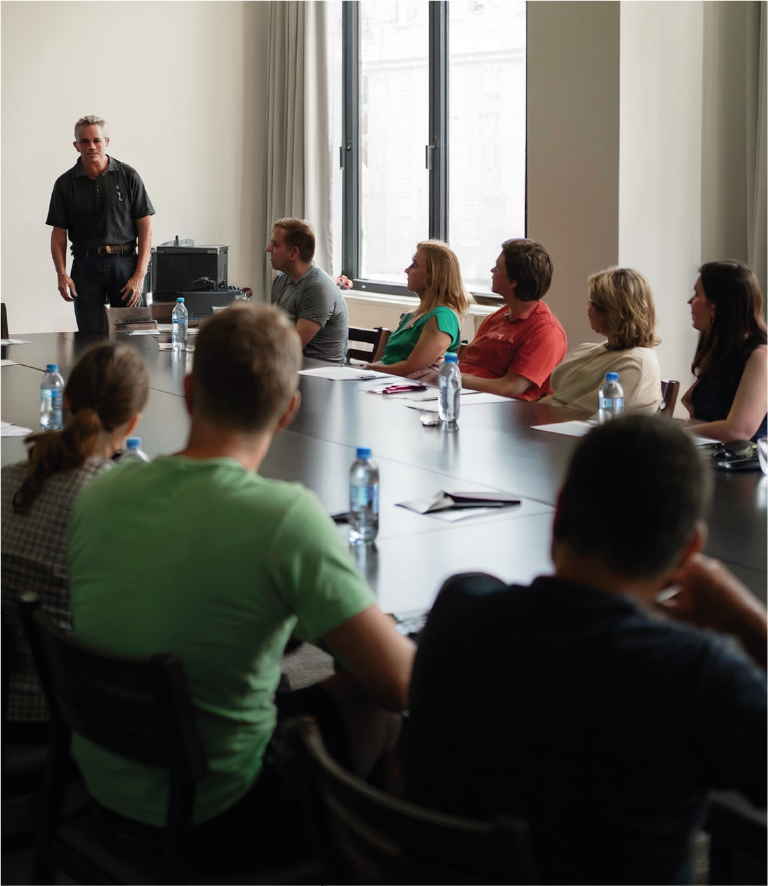
A range of professional development programs based on the Matzmichim Method, providing practical tools for leading social-emotional dialogue, creating a positive school climate, and preventing and addressing different forms of aggression- including social exclusion, harassment, cyberbullying, and more.
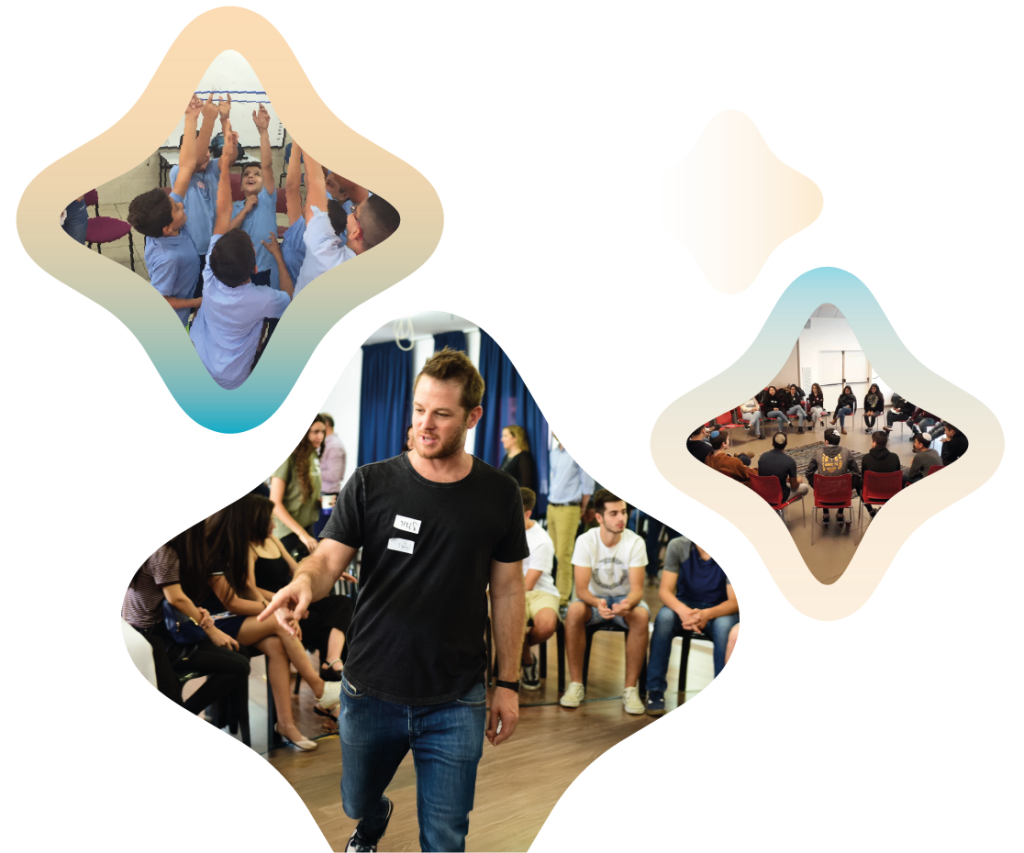
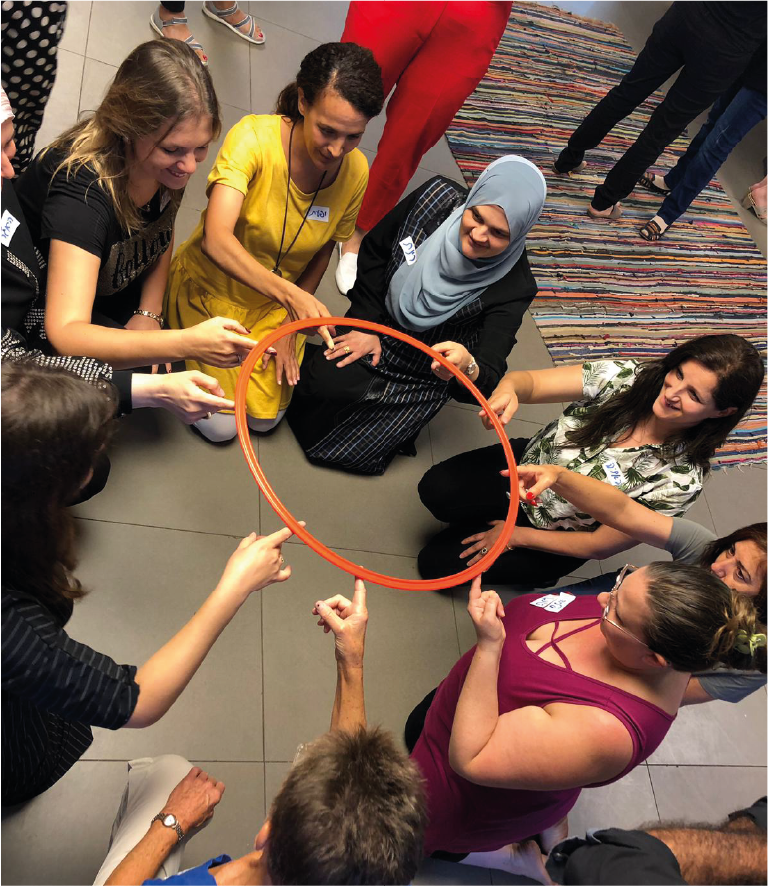
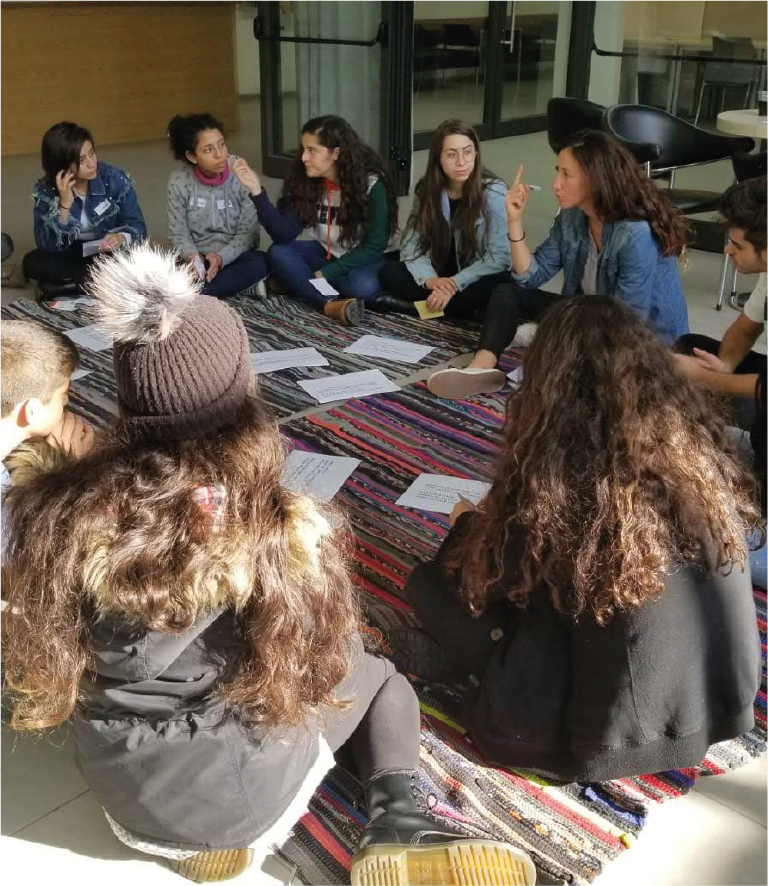
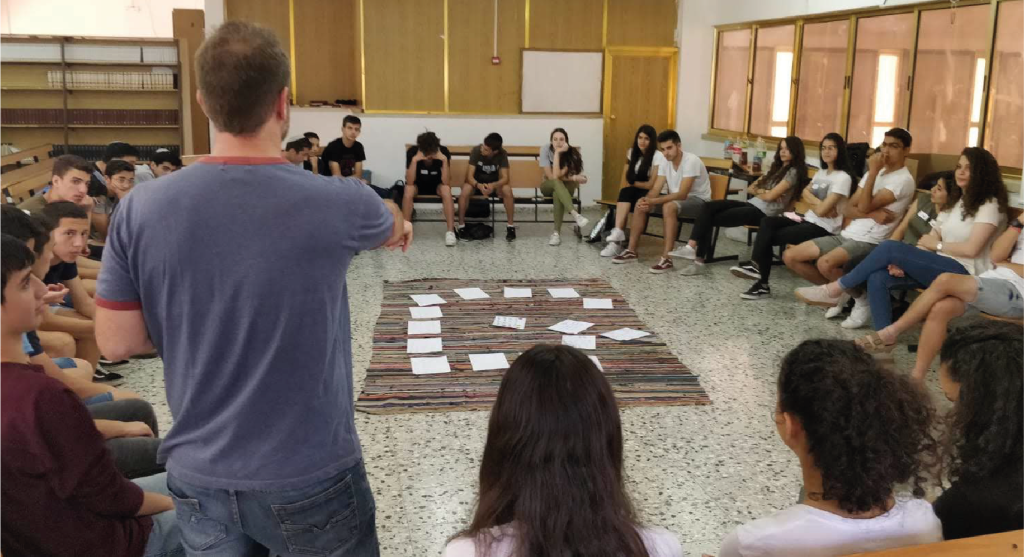
Experiential workshops designed to create a growth-oriented social climate, strengthen belonging, and prevent social aggression. Our workshops are tailored to a wide range of settings, including schools, informal education programs, youth movements, sports teams, and more.
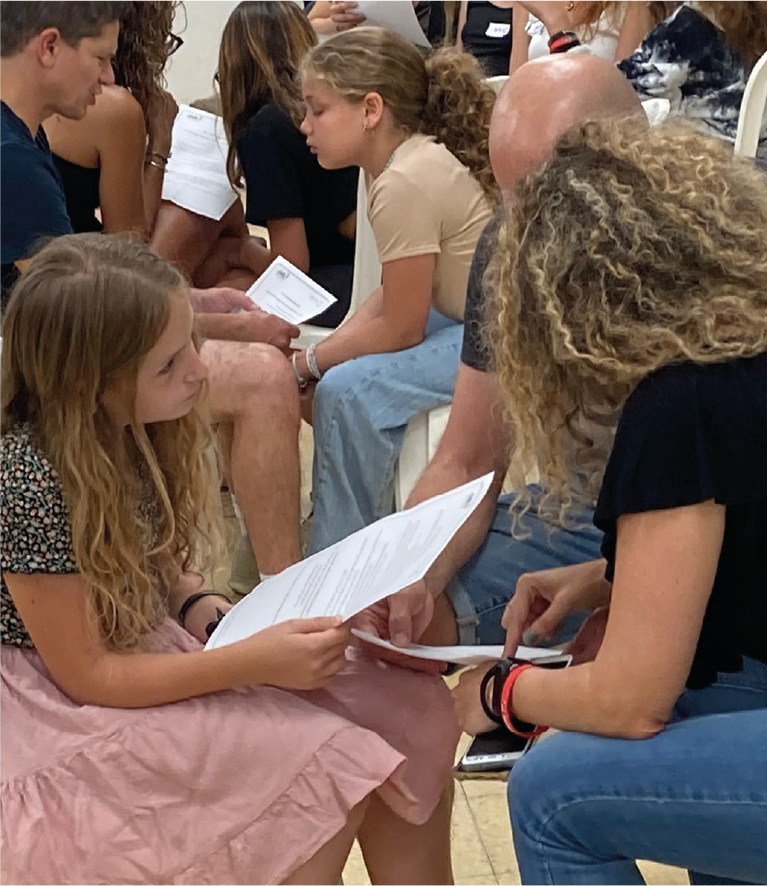
Cyberbullying, classroom exclusion, and repeated harassment are all too common in our children’s classrooms. How can we, as parents, protect our children while helping to shape a healthier social climate? Matzmichim Academy offers a wide range of lectures, activities, and workshops for parents.
A comprehensive Matzmichim municipal model, tailored to the unique needs of each local authority, providing an integrated response for all community professionals working in violence prevention, safeguarding, and the education of children and youth.
Interested in receiving more information about Matzmichim’s programs and activities?
TestimonialsMatzmichim
I applied everything we learned throughout the year- we even put the concepts up in the classroom. The workshop led to a very significant social change.
Heli Hof Yam
The course gave me tools to deal with social harm- not just to talk about an individual child, but a whole-class approach.
Ela Teacher, Matzmichim Summer Course, 2019
עינב מחנכת כיתה ד’…
One of the most meaningful courses I’ve taken- it should reach the entire education system. It’s the first course I truly feel is essential.
Einav Teacher, Matzmichim Summer Course, 2019
The workshop brought up topics in the classroom that, as a teacher, I often hesitate to raise. The facilitator read the class so well and brought up exactly what was relevant.
Noa Teacher, Rehovot
I gained a toolbox that gave me a lot of knowledge- how to approach students and how to be more assertive. The class itself went through a huge change. We continued speaking the Matzmichim language.
Hanan Teacher, Haifa
Groups
0
Workshops to reduce social aggression and strengthen belonging and care.
Children & Youth
0
Workshops, conferences, lectures, and training programs based on the Matzmichim Method.
Adults
0
Transforming social norms and creating a growth-oriented climate in every group.
Over
%0
of teachers reported that Matzmichim training significantly improved their ability to address the social climate in the classroom.
%0
Over
of teachers reported that the workshop provided them with tools to successfully address violence and aggression in the classroom.
%0
Over
of students reported that, following the Matzmichim workshop, they would avoid sending harmful messages online.
%0
Over
of students reported that, following the Matzmichim workshop, children in their class would step in to defend others in cases of harm and bullying.
Over
%0
of teachers reported that Matzmichim training significantly improved their ability to address the social climate in the classroom.
Over
%0
of teachers reported that the workshop provided them with tools to successfully address violence and aggression in the classroom.
Over
%0
of students reported that, following the Matzmichim workshop, they would avoid sending harmful messages online.
Over
%0
of students reported that, following the Matzmichim workshop, children in their class would step in to defend others in cases of harm and bullying.
Essential insights on reducing violence in schools
When we talk about violence in schools, what do we actually mean?
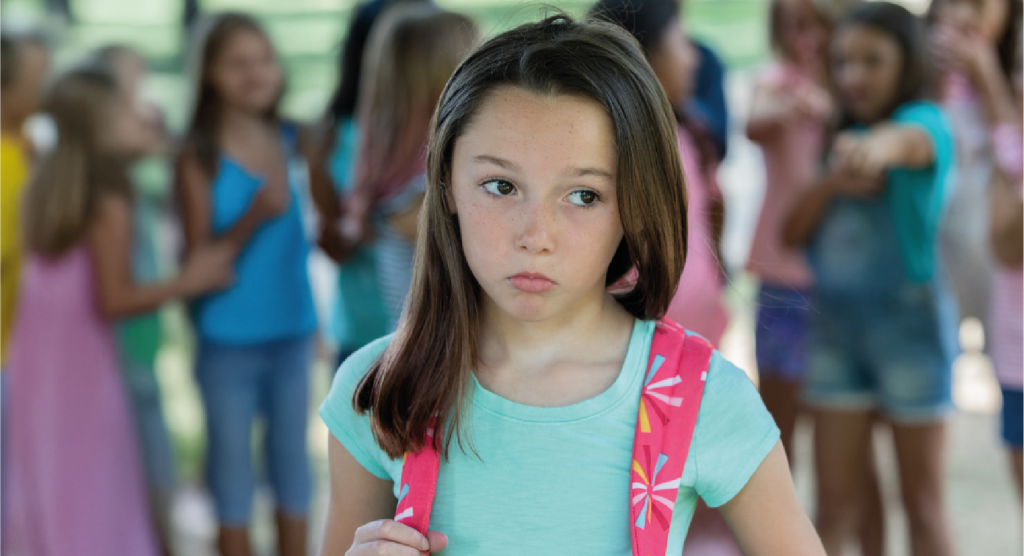
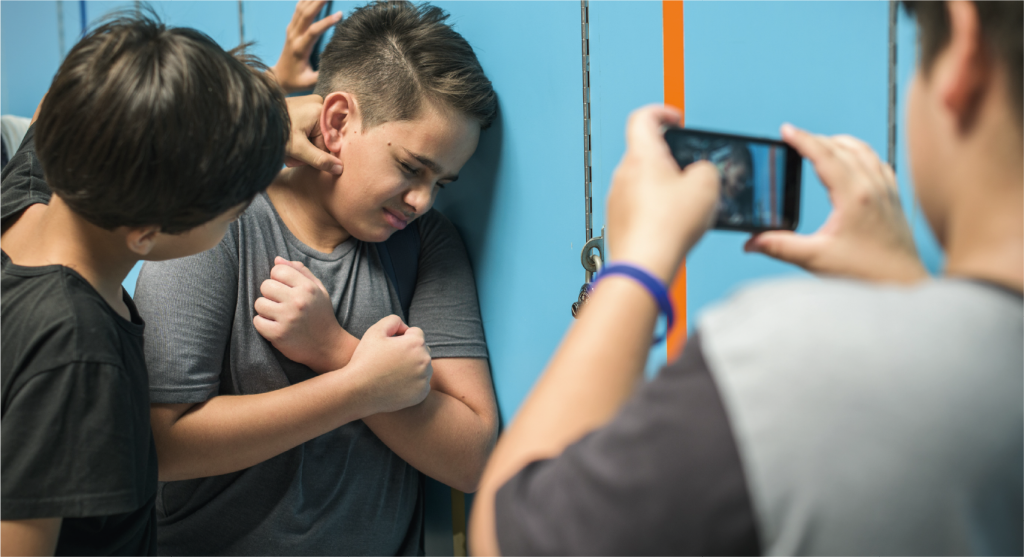
If we ask our child whether there is violence in their school, they might say there isn’t. For many of us—and especially for children—violence is often understood as physical harm or fighting. But if we ask, “What causes pain or distress among the children in your class?” we are likely to hear a wide range of answers that may surprise us. Violence can take many forms: humiliation in class WhatsApp groups, insults and teasing during recess, painful “playful” hits, spreading rumors that isolate a child, and in more severe cases, social exclusion or ostracism.
What is the current situation in Israeli classrooms?
The latest TALIS report (2018), which compiles data from OECD countries, shows that in recent years Israel has experienced a rising trend in school violence. The report is based on school principals’ reports and examines various forms of violence and aggression- including physical violence, verbal abuse, and damage to property. Levels of violence in Israeli schools are higher than the OECD average, and while many European countries are showing improvement, the situation in Israel is worsening. School violence in Israel cuts across sectors, populations, and geographic areas- affecting Jewish and Arab communities, secular and religious groups, as well as both disadvantaged and affluent neighborhoods.
How Is the Matzmichim Method Different from Other Programs?
Addressing the close link between aggression and the struggle for social status within the group Working with the entire group to change social norms and create positive peer pressure – focusing on the “silent majority,” not only on the “victim and aggressor.” Content comes from the children themselves – rather than being imposed “top-down” from the adult world. Children shape the content themselves, making it more relevant, engaging, and relatable. Training teachers and educational staff – educators who work with students every day are the key agents of change. Therefore, whether through staff training or classroom interventions, our focus is always on the teacher.
Why Do Most School Violence Prevention Programs Fail?
Most school violence prevention and reduction programs focus on “bullies” and on developing social-emotional skills such as empathy, delayed gratification, and coping with frustration. Why doesn’t this work? These programs assume that children who behave aggressively have emotional difficulties or underdeveloped social skills. However, a growing body of research shows that most aggression among children is carried out by those with average or even strong social skills and a relatively high social status among their peers. Aggression is often not the result of an outburst or loss of control, but rather a tool children and adolescents use in the competition for status and position within their peer group.