Social-Emotional Learning (SEL) – The Matzmichim Approach
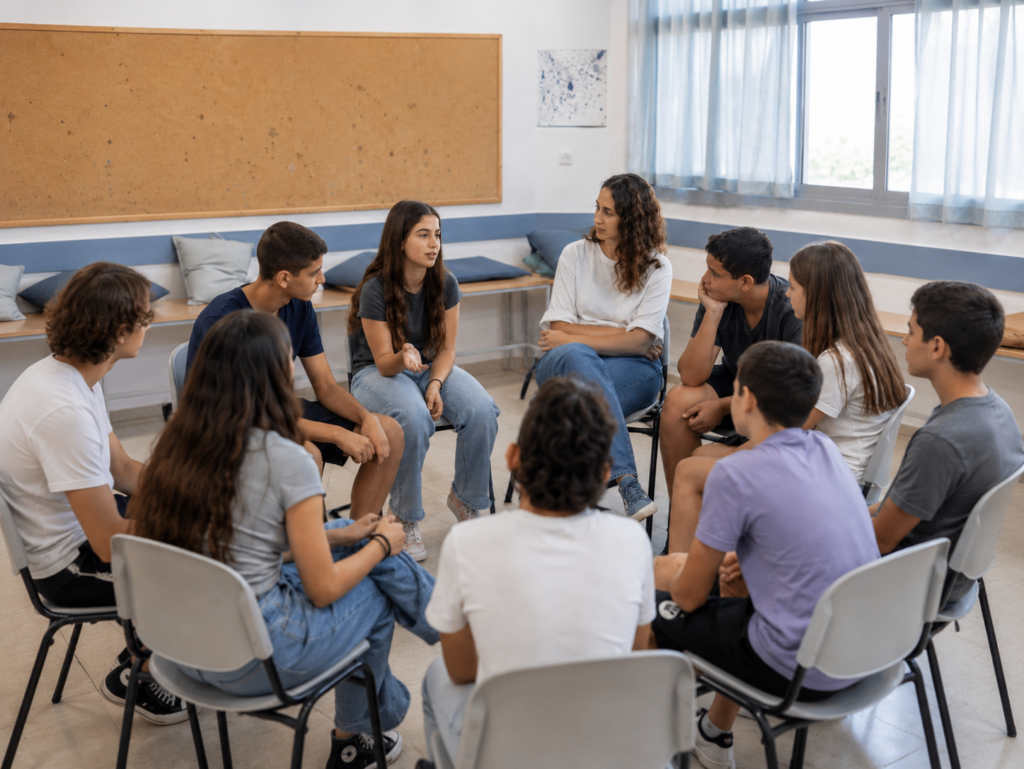
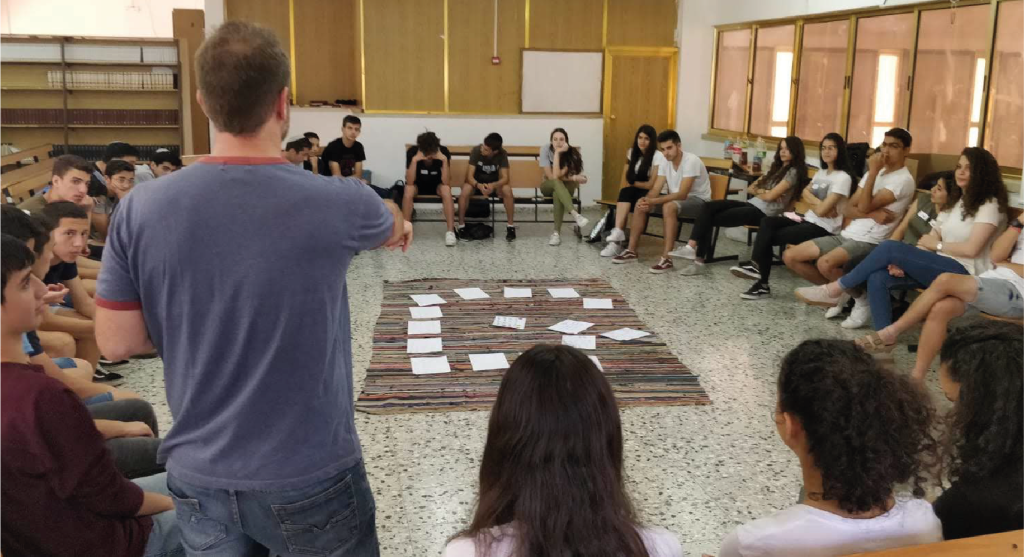
Social and emotional skills are developed within a group.
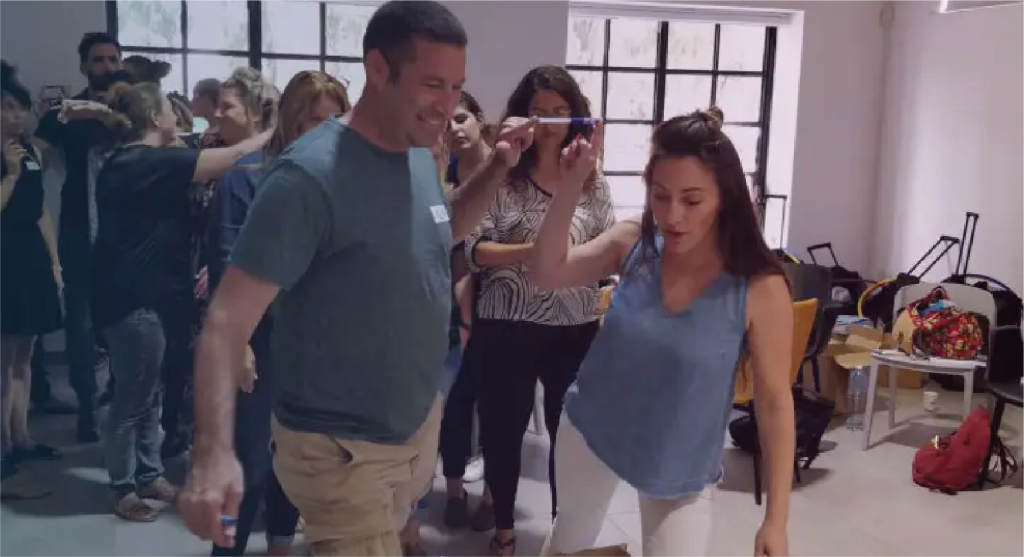
Social-emotional learning is a cornerstone of the Matzmichim method. Across all our programs, we create a social environment where participants can learn through experience and from one another, develop individual and group awareness, receive positive reinforcement from their peers, and actively influence and reshape group norms.
Interested in receiving more information about Matzmichim’s programs and activities?
When learning takes place within the group, students do more than talk about social and emotional skills- they practice them in real time.
Why Learn SEL in a Group?
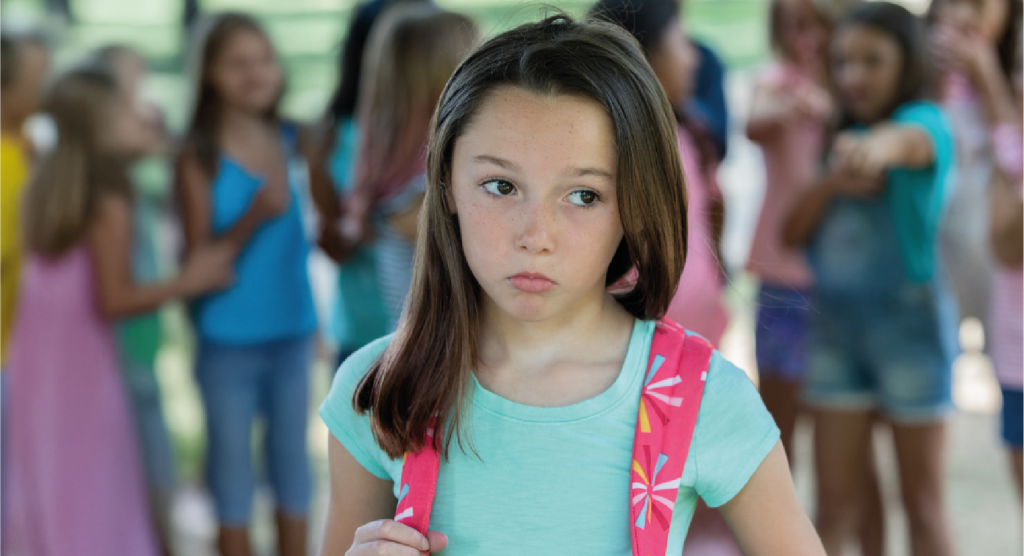
Children and adolescents develop social and emotional skills within the social world they live in: in the classroom, among friends, on social media, and through everyday interactions with others.
The ability to recognize emotions, manage conflict, ask for help, resist peer pressure, or intervene when someone is being harmed is shaped by how other group members respond, the behaviors children observe around them, and the social norms that develop within the group.
Children learn not only from adult guidance, but also- and especially- by observing their peers, listening to different perspectives, seeing how others respond, and experiencing real social situations. They see how other children behave, are influenced by them, reflect on themselves in relation to the group, and discover that their feelings and dilemmas are often shared by others.
Individual SEL and Group SEL
Alongside developing individual social-emotional skills- such as recognizing and regulating emotions and making decisions- we believe it is equally important to focus on group-level skills. A classroom can have a greater or lesser capacity to recognize distress, manage conflict, embrace differences, ask for and offer help, resist peer pressure, and take action when a group member is harmed.
Our goal is to strengthen both levels simultaneously: each child’s ability to navigate social situations, and the group’s ability to develop patterns of interaction that foster belonging, care, support, and mutual responsibility.
High Social-Emotional Skills and Aggression
Does developing social-emotional skills help reduce aggression and bullying?
Research shows that much of the harm and distress in classrooms is caused by children with high social status who also possess strong social-emotional skills. These children may be highly skilled at reading group dynamics, using status, humor, or peer pressure, and engaging in social aggression in sophisticated and subtle ways.
For this reason, SEL cannot focus solely on developing skills. It is equally important to consider how those skills are used and the social culture in which they operate.
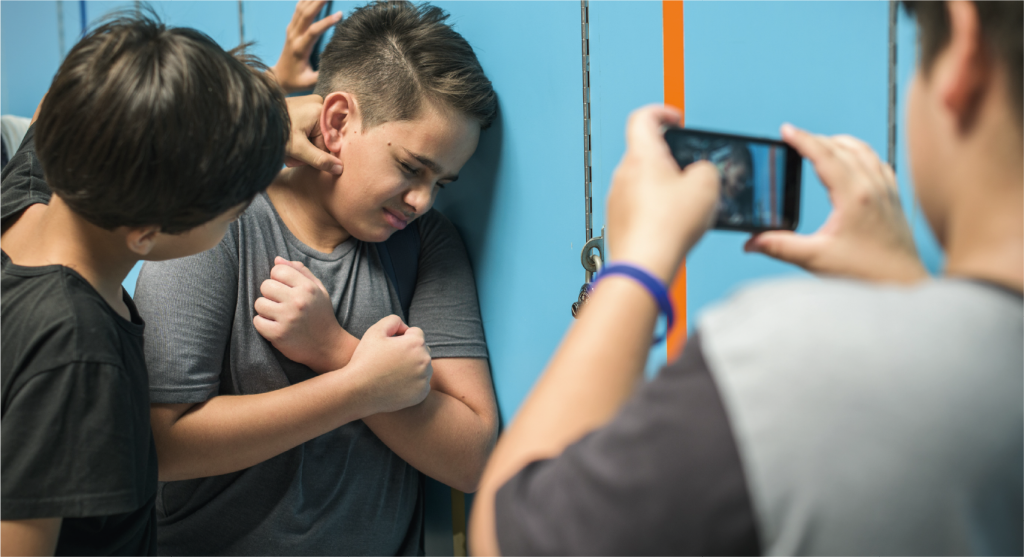
In an environment where harmful, humiliating, or exclusionary behavior is rewarded with status and prestige, strong social skills can become a powerful and sophisticated weapon. In contrast, when group culture values care, social courage, encouragement, and reaching out to others, those same abilities can become a positive and constructive force.
SEL in the Digital World
The digital world is now a central arena in the social lives of children and adolescents, where they must also apply social awareness, emotional regulation, decision-making, empathy, and the ability to stand up for others.
WhatsApp groups, social media, and online games present students with everyday social dilemmas: Should I join in the ridicule? Should I forward a harmful image? How should I respond when someone is attacked in a group? How do I resist peer pressure when it happens in front of a large audience?
At Matzmichim, we connect social-emotional learning with the social realities children actually experience, helping them apply these skills in digital spaces as well.
Social-emotional learning runs throughout Matzmichim Academy’s work- from classroom workshops and educator training to programs addressing aggression and peer ostracism, online behavior, gender, resilience, sports, and more.